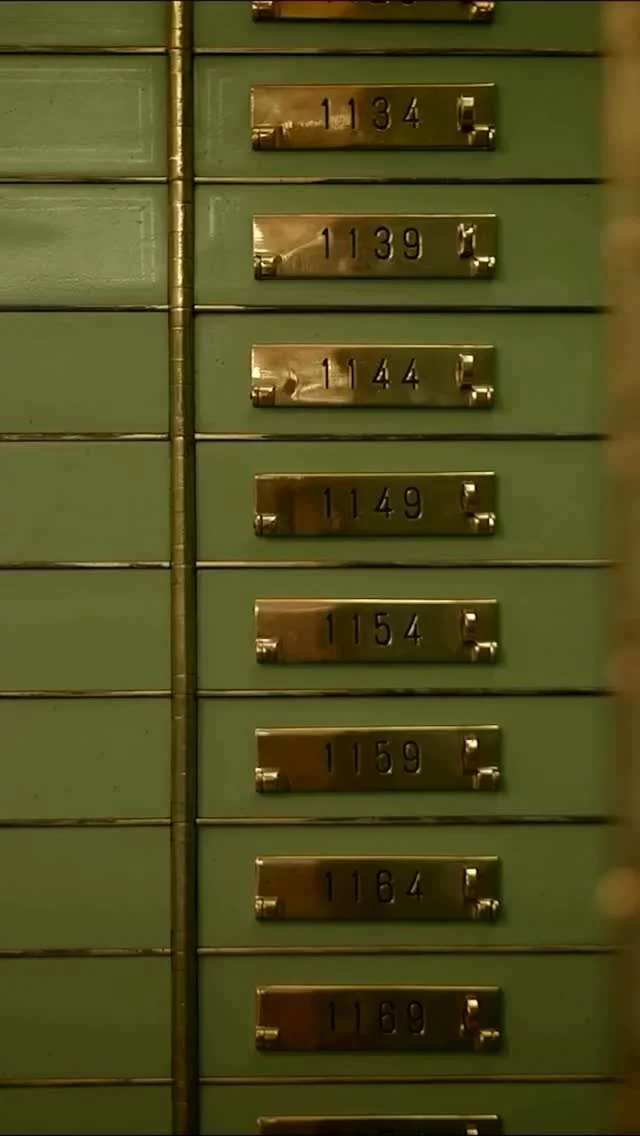
TOKYO JAZZ CLUB 2026 | Post-American Fine Arts
Level 3 (Shower & Locker Room). 3-11-15 Kanda-Nishikicho, Chiyoda-ku, Tokyo 101-0054, Japan
1–8 November 2026
Welcome, and thank you for stopping by.

You’ve found us through the room. If a work caught your eye, we’d be glad to send you images, the full work list and prices. Advisors, curators and collectors are welcome to message us directly, or ask for Bobby or Ting in person while we’re here.

WhatsApp +61 481 193 491 or +1 213 562 8699
info@postamericanfinearts.com

Opening Hours
Sun 1 November: 2 PM – 11 PM
Mon 2 November: 5 PM – 11 PM
Tue 3 November: 2 PM – 11 PM
Wed 4 – Fri 6 November: 5 PM – 11 PM
Sat 7 November: 2 PM – 11 PM
Sun 8 November: 2 PM – 6 PM

Preview: 30 October 2026, press and invited guests only.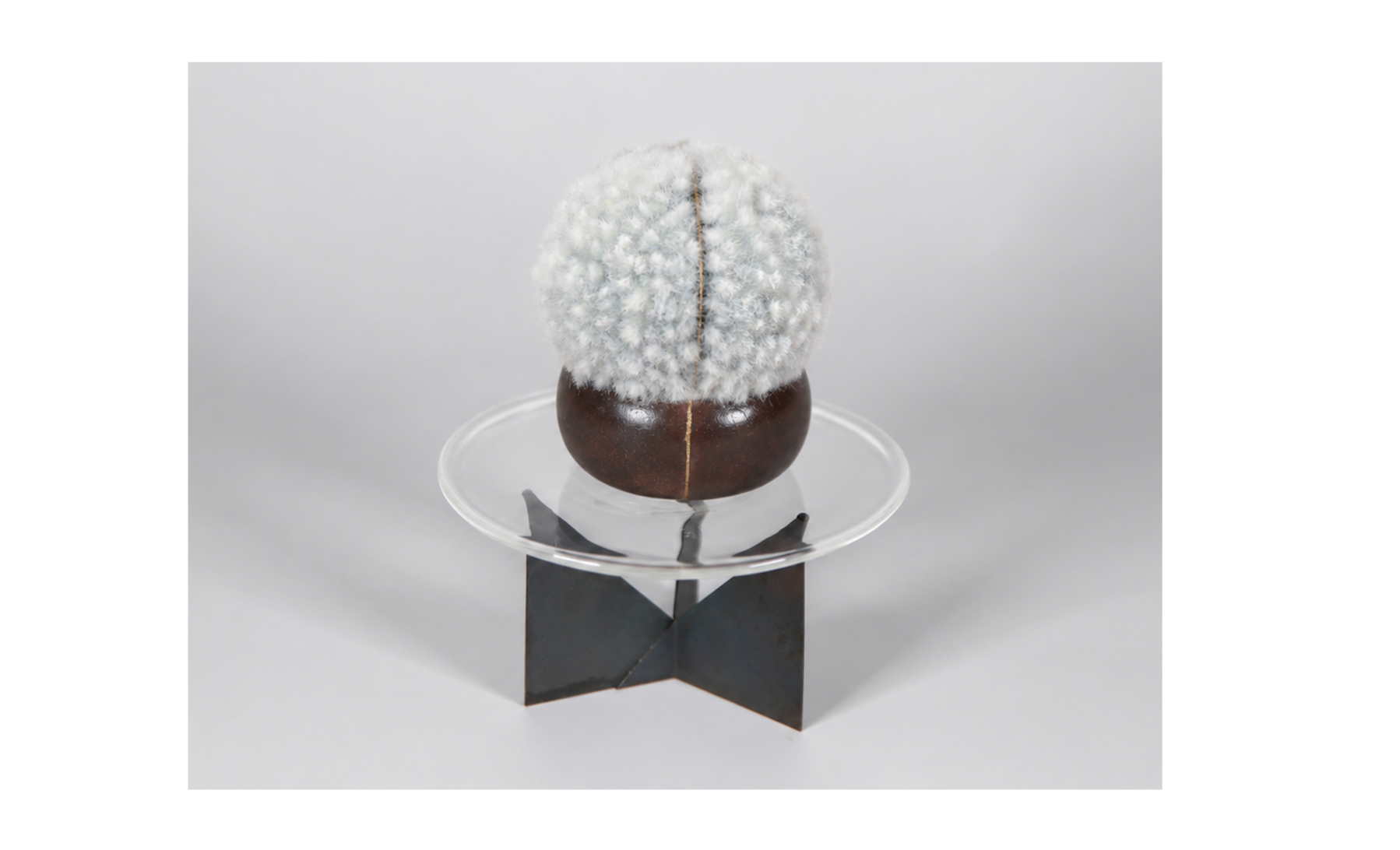
“WASHED UP, PAID OFF
& NOBODY’S CLEAN
and/or Some Things Look Better In The Shower.
About the Room:
Jazz grew up in rooms where money moved fast and nobody asked where it came from. In the speakeasies of the 1920s and 30s, the music was new, the drinks were illegal and almost everything looked cleaner on the surface than it was underneath.
This presentation sits in the shower of a Tokyo jazz club. The water has been switched off for the week and the shower head removed. In its place are eleven works by seven artists, each dealing in some way with money, the body, or the things we try to wash away.
Banknotes hang on wire hangers, sealed in dry-cleaning plastic and numbered like clothes waiting to be collected. Two pencils, carved into trains, lean against the tile. Small sculptures in steel, silver and gold sit where the soap would be. On the side wall, a work in plastics and wool raises an old question in a new form: who gets to decide what counts as clean?
None of it is a lecture. The works are small, exact and often funny. But together they describe a world in which money is laundered, bodies are polished, and companies wash their reputations green, and they ask the viewer to look a little closer at how that’s done.
Slippers at the entrance.
Cindy Chinn
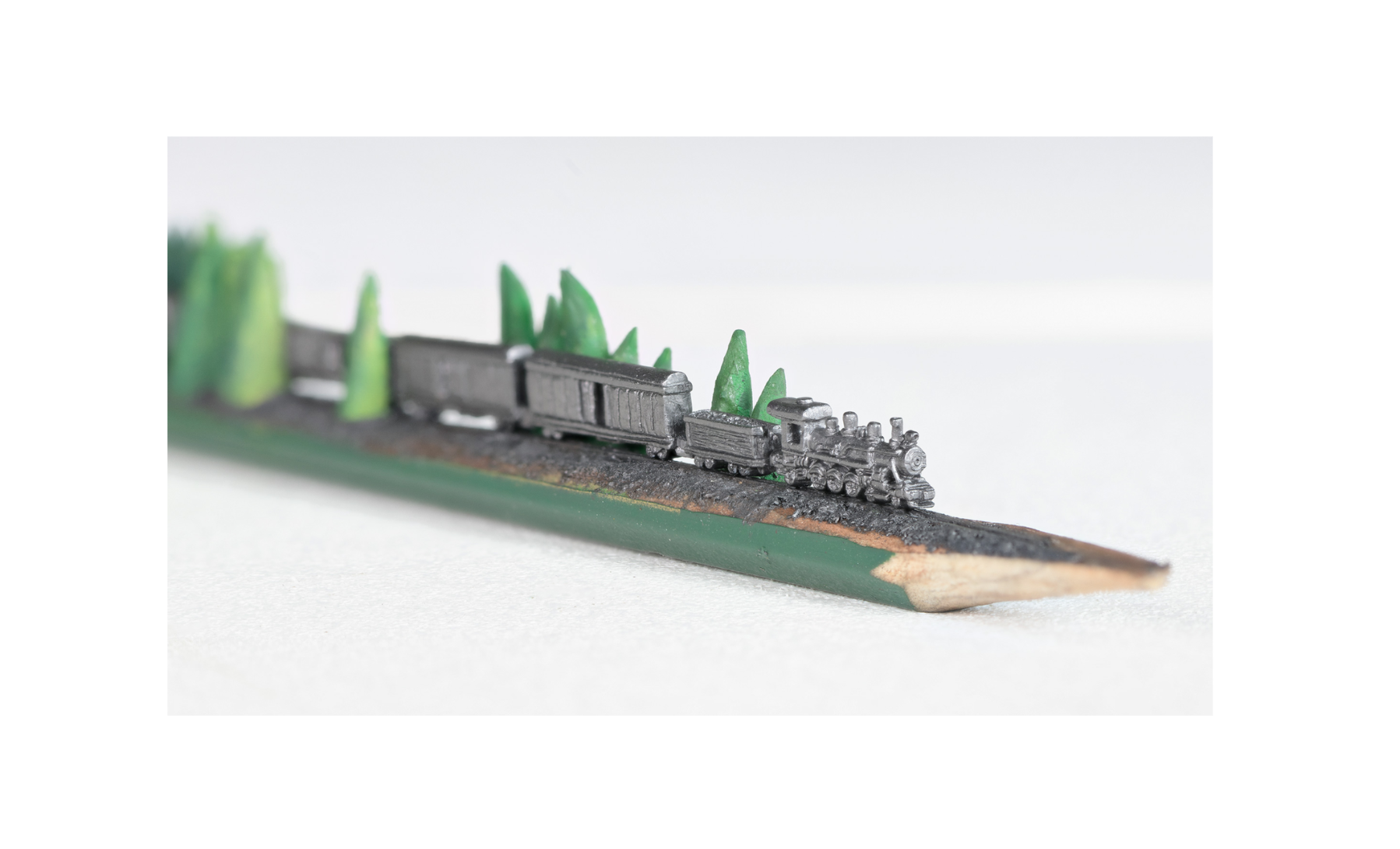
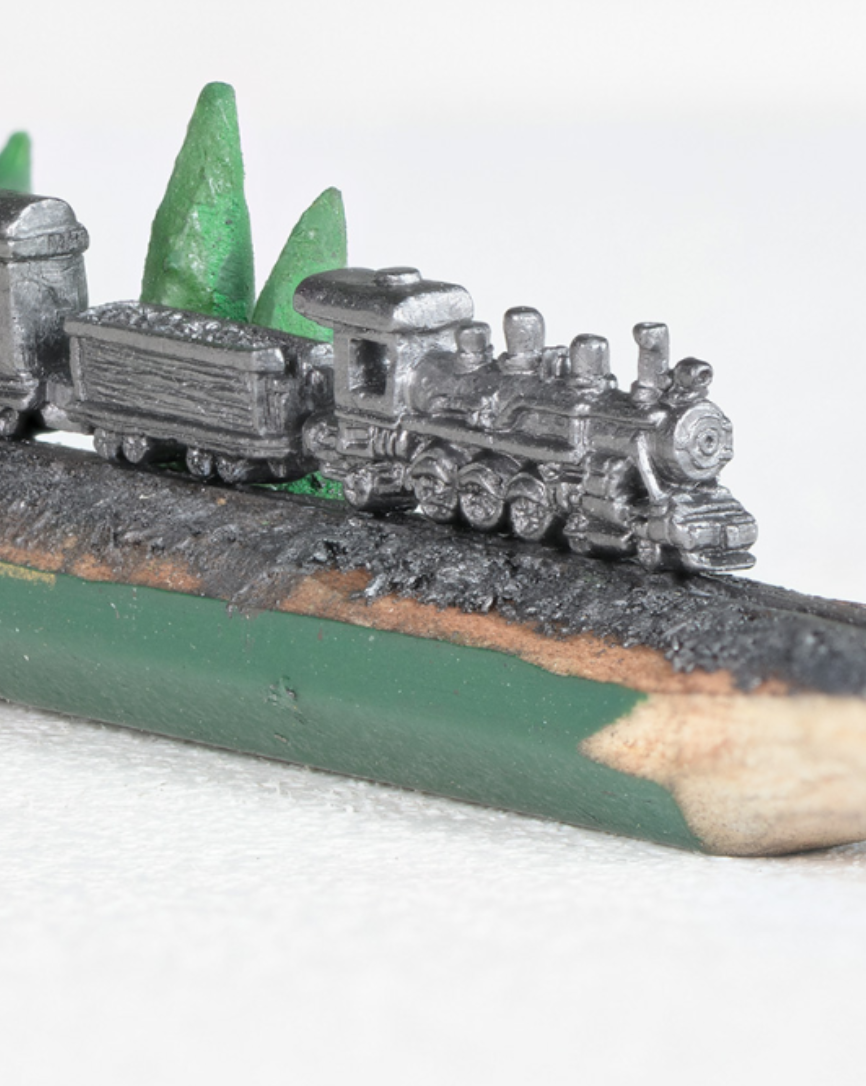
b. 1962, San Francisco Bay Area. Lives and works in Chester, Nebraska. Pencil carvings represented exclusively by Post-American Fine Arts.Before she carved pencils, Cindy Chinn spent nearly twenty years designing slot machines and light shows in Las Vegas, and was lead animator on The Lion King video game. In 2006 she moved into a 1907 schoolhouse in Nebraska and turned it into a studio. Her pencil carvings were presented in Europe for the first time at Basel Social Club in 2026 and have entered private collections in Europe and the United States. Tokyo is her first presentation in Asia.Sedona Train, 2026
Hand-carved graphite on a wood pencil, in a wooden shadow box with a landscape painting by the artist. 12.5 × 5 × 2.5 in. Unique.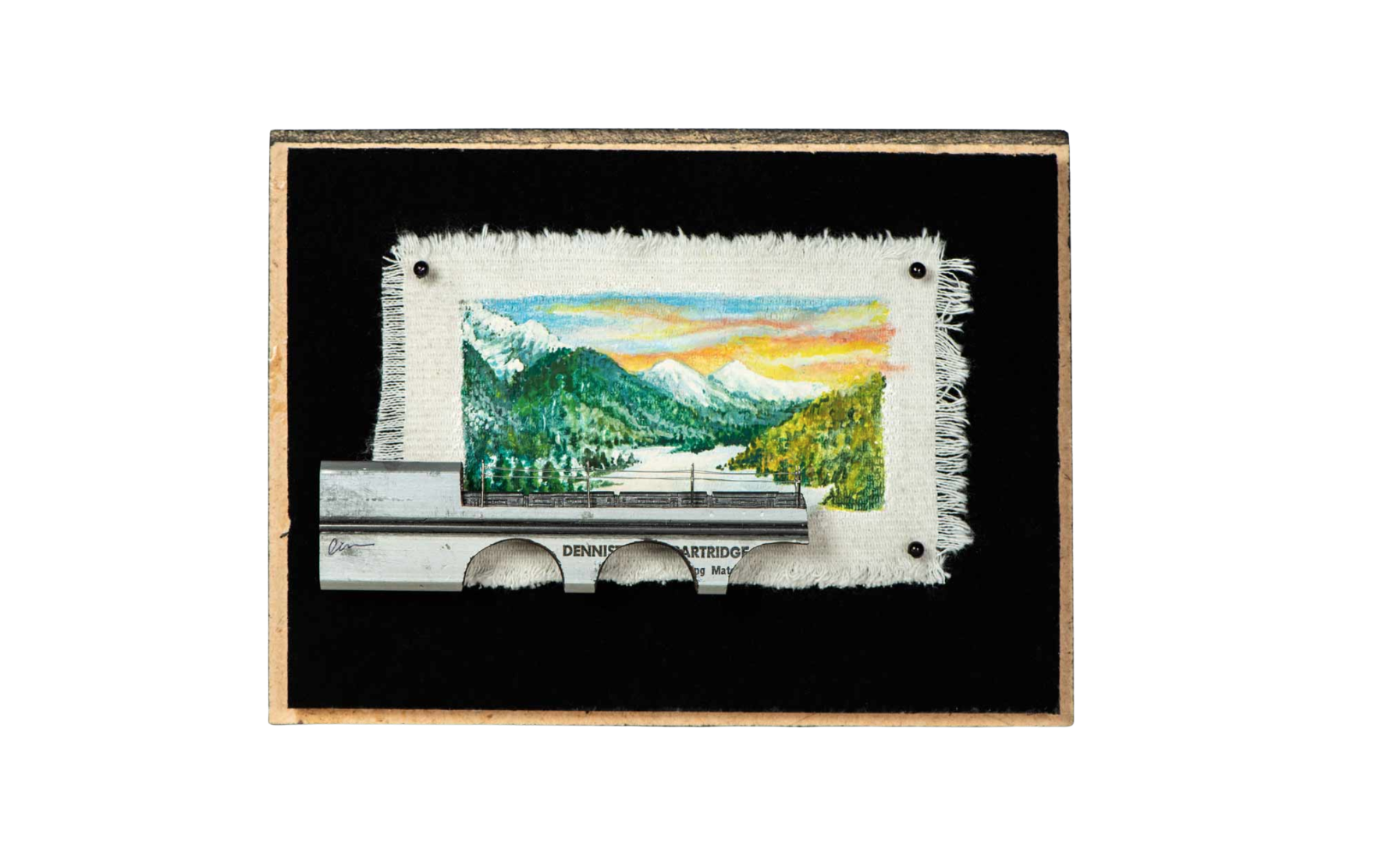
Cindy Chinn
Swiss Train, 2026
Hand-carved graphite on a wood pencil, in a wooden shadow box with a landscape painting by the artist. Unique.

Each train is carved directly into the graphite of a carpenter’s pencil, at a scale where a single breath can end weeks of work. The locomotives run through landscapes Chinn painted behind them, the American Southwest in one and the Alps in the other. The pencil is the cheapest tool on any desk, used to draft the invoices and sign the deals. Here it carries a whole railway. A bath stool and magnifier are provided.Jason Meadows
b. 1972, Indianapolis. Represented by Post-American Fine Arts.

Jason Meadows studied at the School of the Art Institute of Chicago and under Charles Ray and Mike Kelley at UCLA. Since the late 1990s his work has been shown internationally, and is held by Tate Modern, MoMA, LACMA, MOCA and the Hammer Museum. He builds from the leftovers of American leisure and popular culture, with a rough, handmade finish and a painter’s sense of colour.

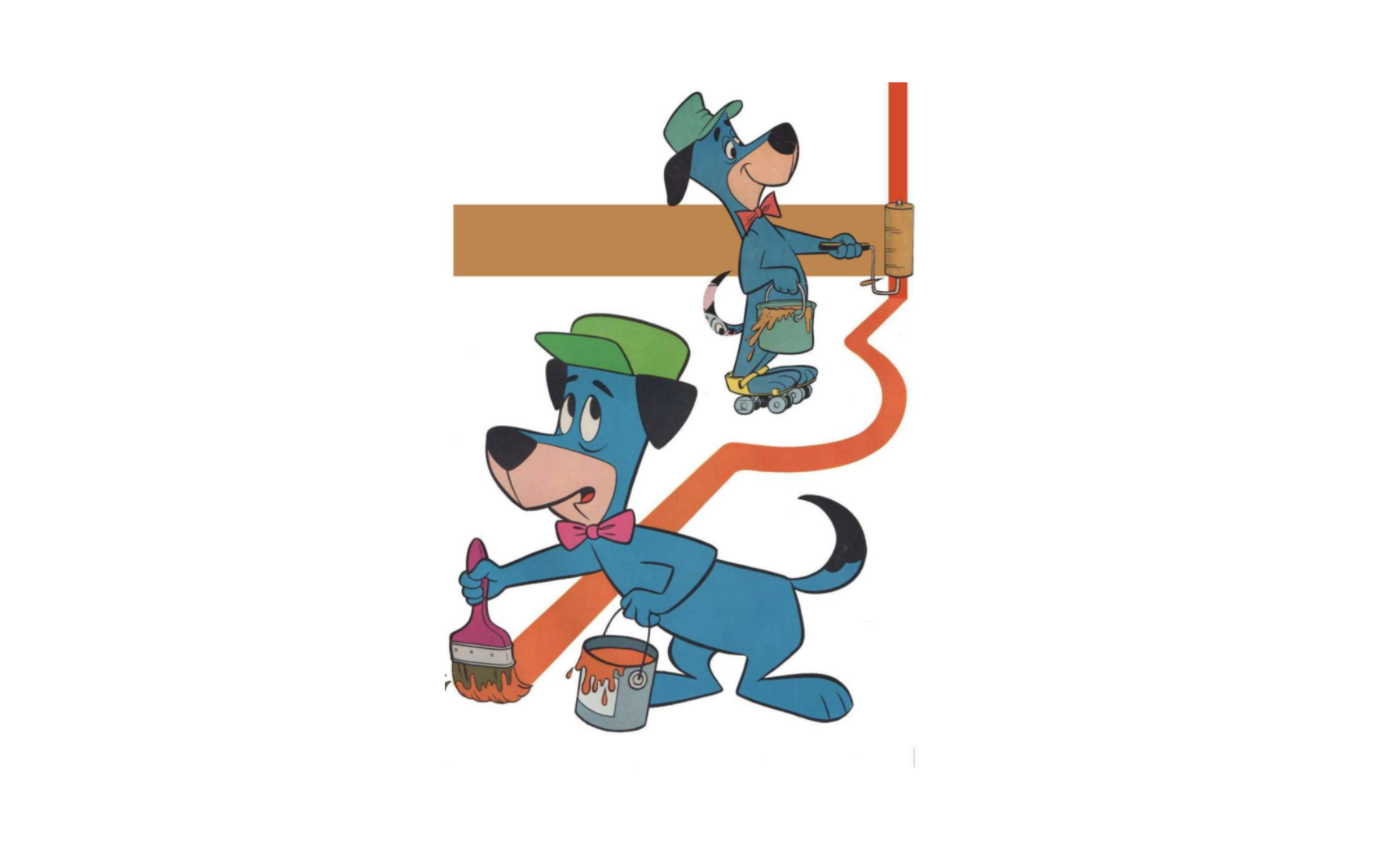
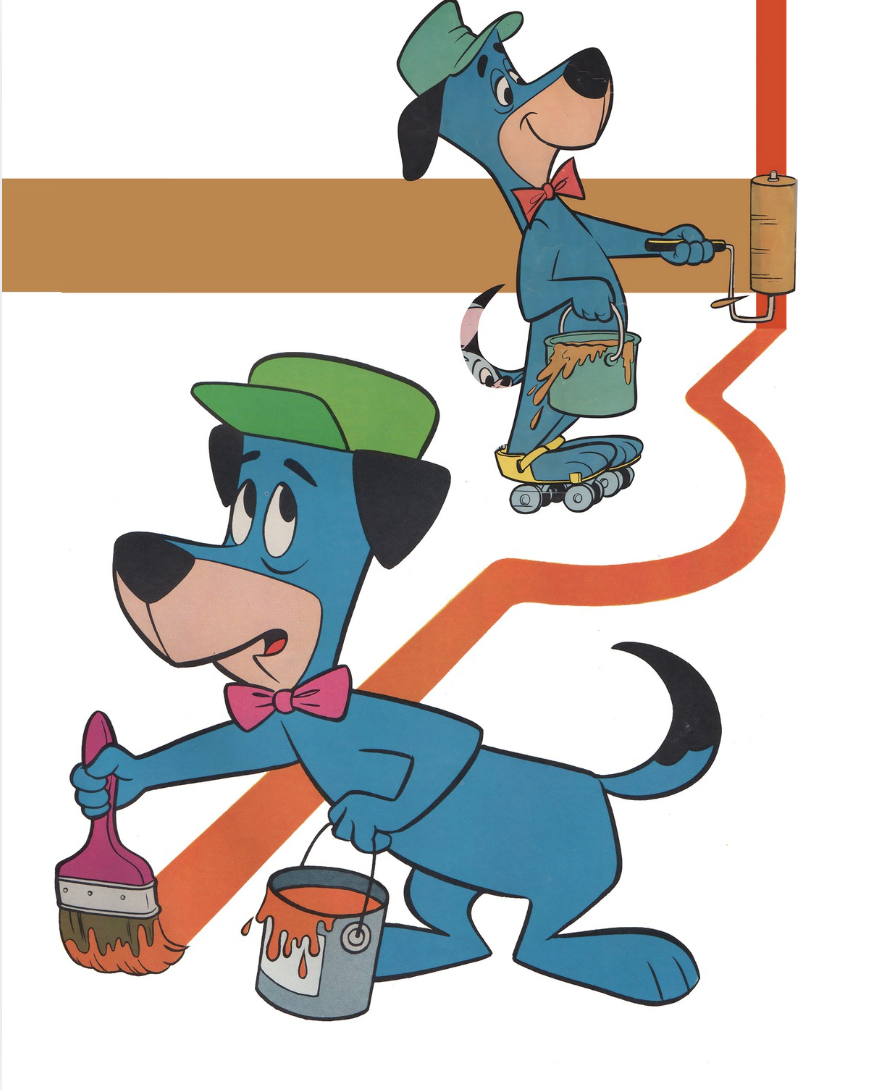
I’ll Be Your Huckleberry, 2026
Archival print. 8.5 × 11 in (21.6 × 27.9 cm). Signed, edition of 50.

The title is old American slang meaning “I’m your man,” said by someone who steps up without hesitating. For Meadows, the work is about exactly that: not second-guessing your creativity. Trust the first instinct and commit to it. It’s a quiet manifesto from an artist who has spent nearly thirty years making work out of whatever was at hand. Hung among the money works, it’s the centrepiece in the room with nothing to hide.Brochevski (Amai Rawls Jr.)
b. 2000, Louisville, Kentucky. Represented by Post-American Fine Arts.

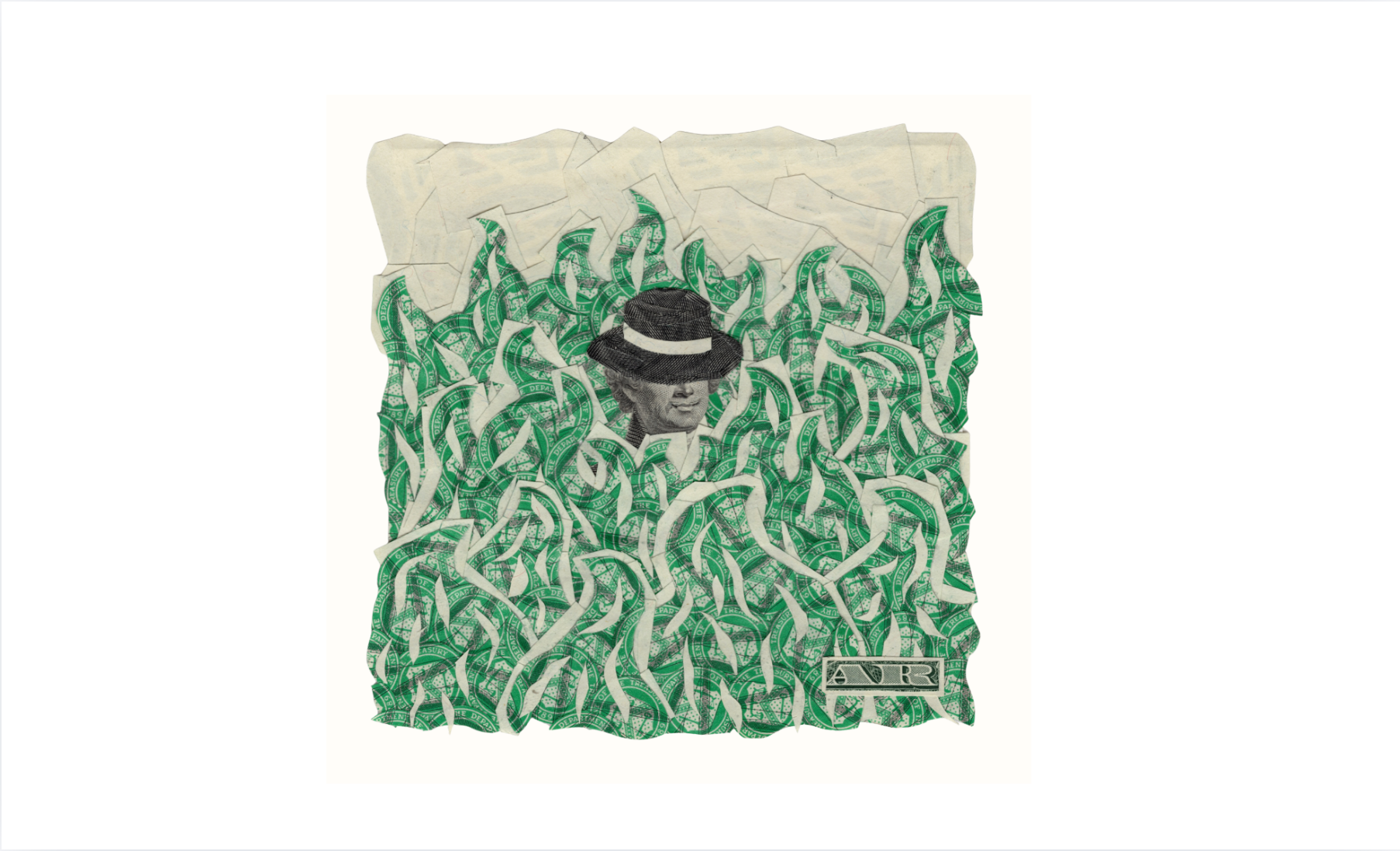
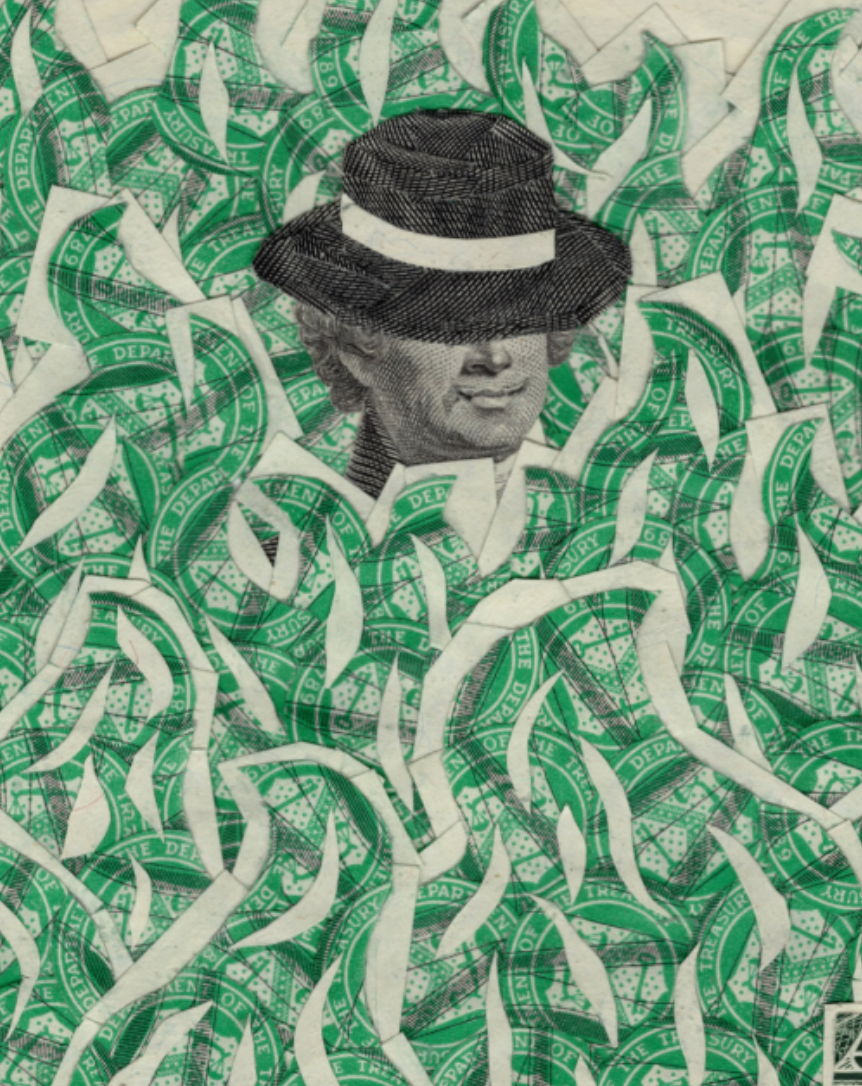
Brochevski cuts real US banknotes into fragments with an X-Acto blade and rebuilds them into images. American currency comes in three colours, so every work is built from green, black and cream alone. Each piece starts from a single sketch, with no revisions, and every miscut costs real money. He was noticed early by The New York Times and emerged as a breakout artist at Basel Social Club in 2025. His first New York solo exhibition opens in August 2027.

He Is Coming, 2025
Hand-cut US currency on archival paper. 4 × 4 in. Unique.

A small work made entirely from money. Here, hung in dry-cleaning plastic in a shower, it becomes the clearest image in the room: cash that has been cut up, rearranged and made to look new. The title carries the tone of a warning, or a promise.Eric Wesley
b. 1973, Los Angeles. Presented by Post-American Fine Arts.

Eric Wesley co-founded the Mountain School of Art in Los Angeles and has shown in two Whitney Biennials (2004, 2022) and Made in L.A. at the Hammer Museum. He has had solo exhibitions at MOCA Los Angeles and Fondazione Morra Greco, Naples, and his work is held by the Hammer, MOCA and the Museum of Contemporary Art Chicago. His work treats humour as a serious method, building fully crafted objects around ideas most artists would leave as jokes.

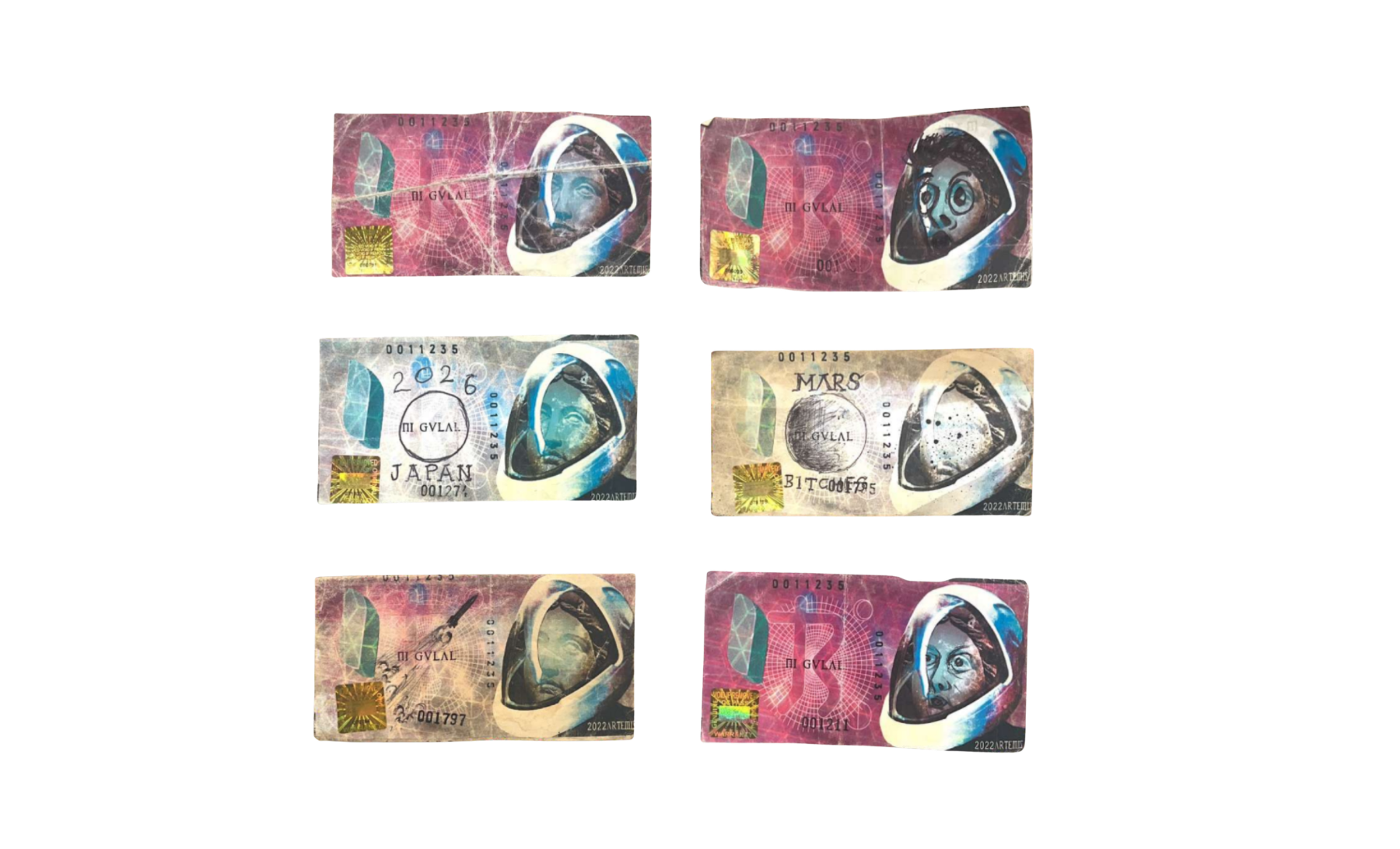
Timbuctoo Notes, 2026
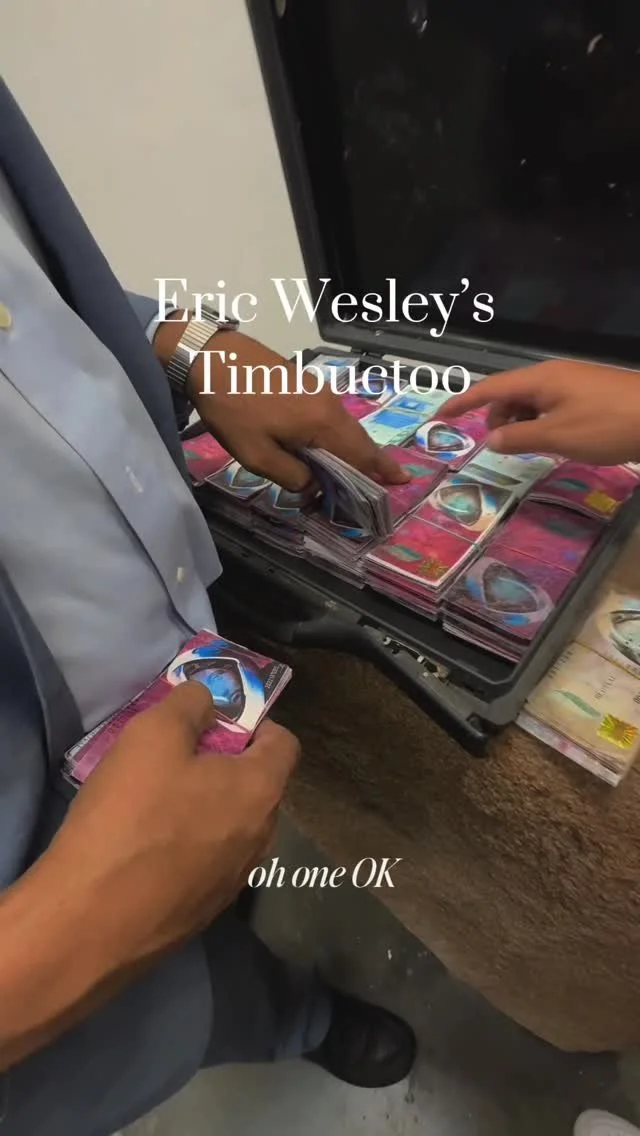
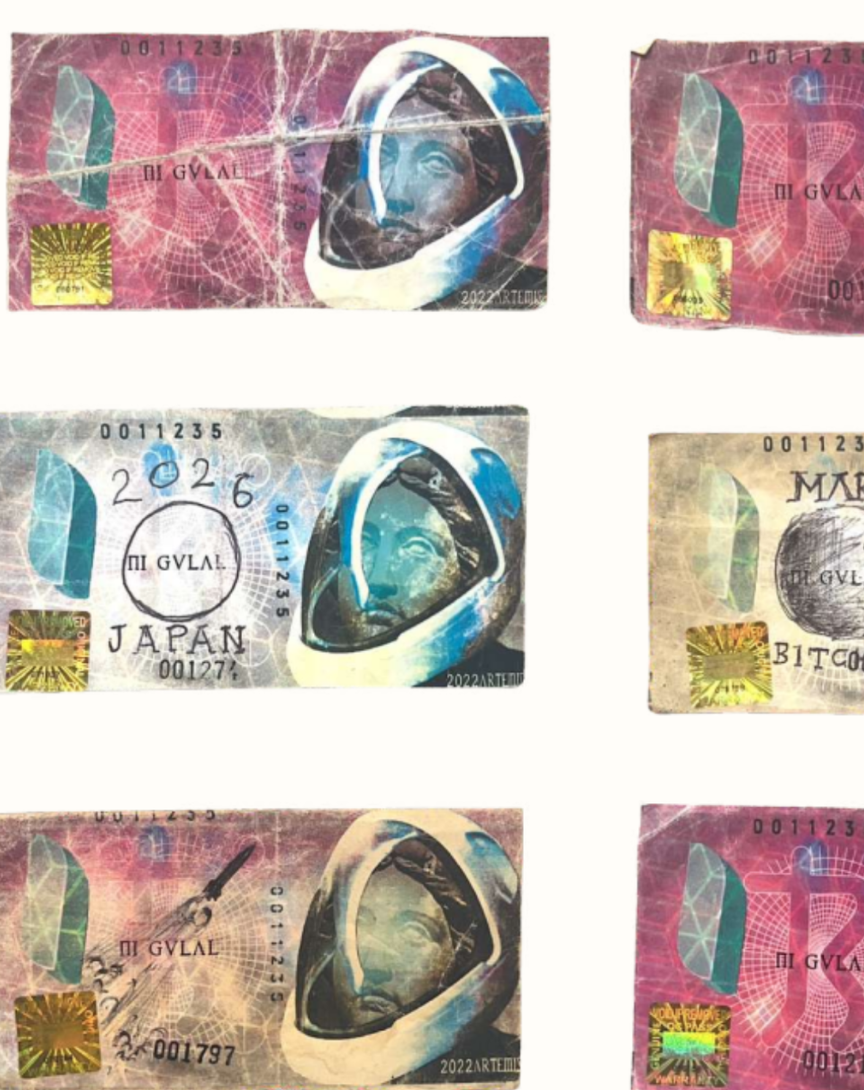
Artist-created Timbuctoo currency, individually drawn on by the artist. 2.5 × 5 in.

Banknotes for a nation that exists mainly as a financial system: Wesley’s long-running Timbuctoo project, previously shown as Bank of Timbuctoo at Basel Social Club in 2025. Each note is drawn on by hand, so no two are alike. In a room about laundering, it’s the most honest money here, because it never claimed to be real.Victor Payares
b. 1985, Havana. Lives and works in Berlin.

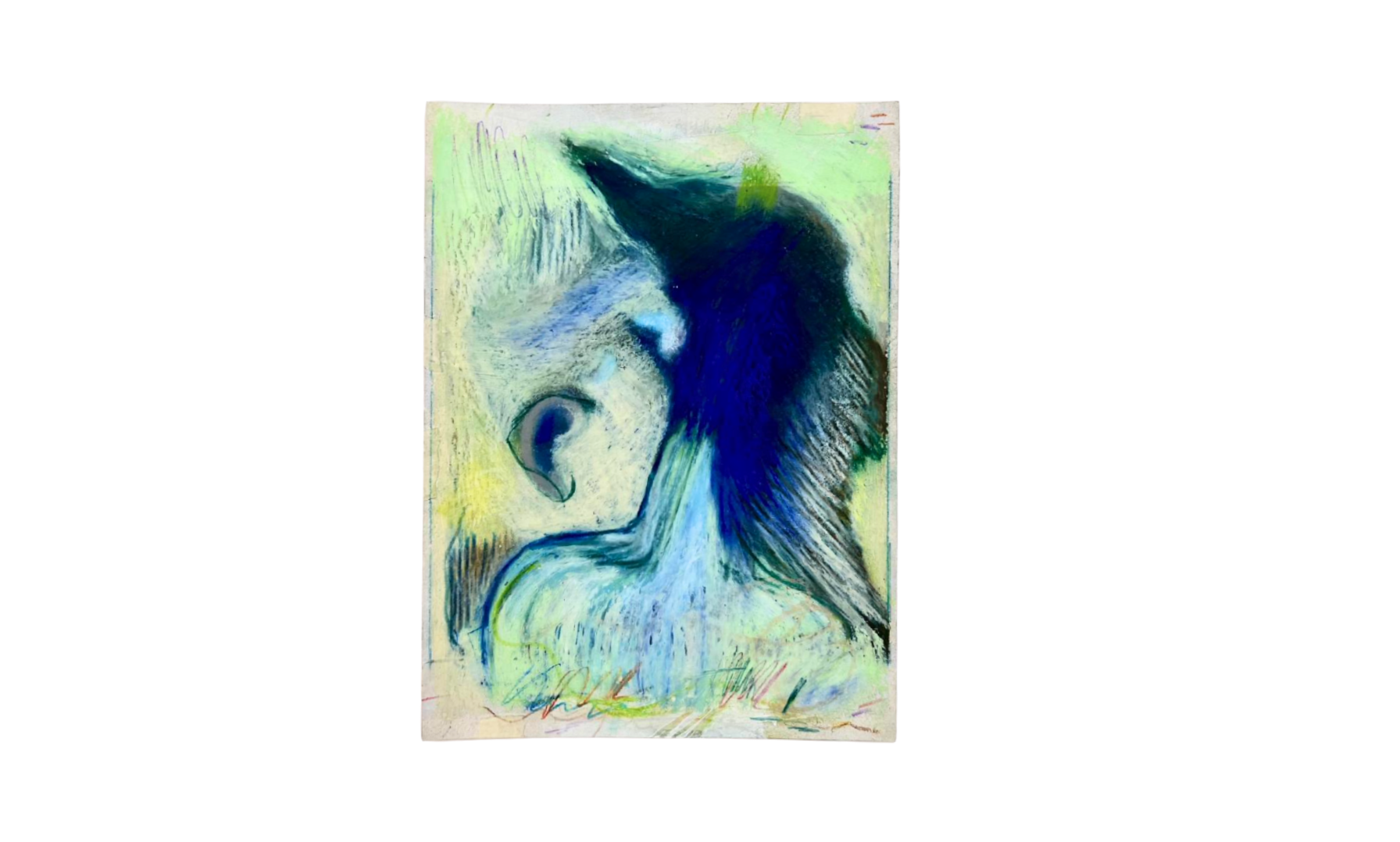
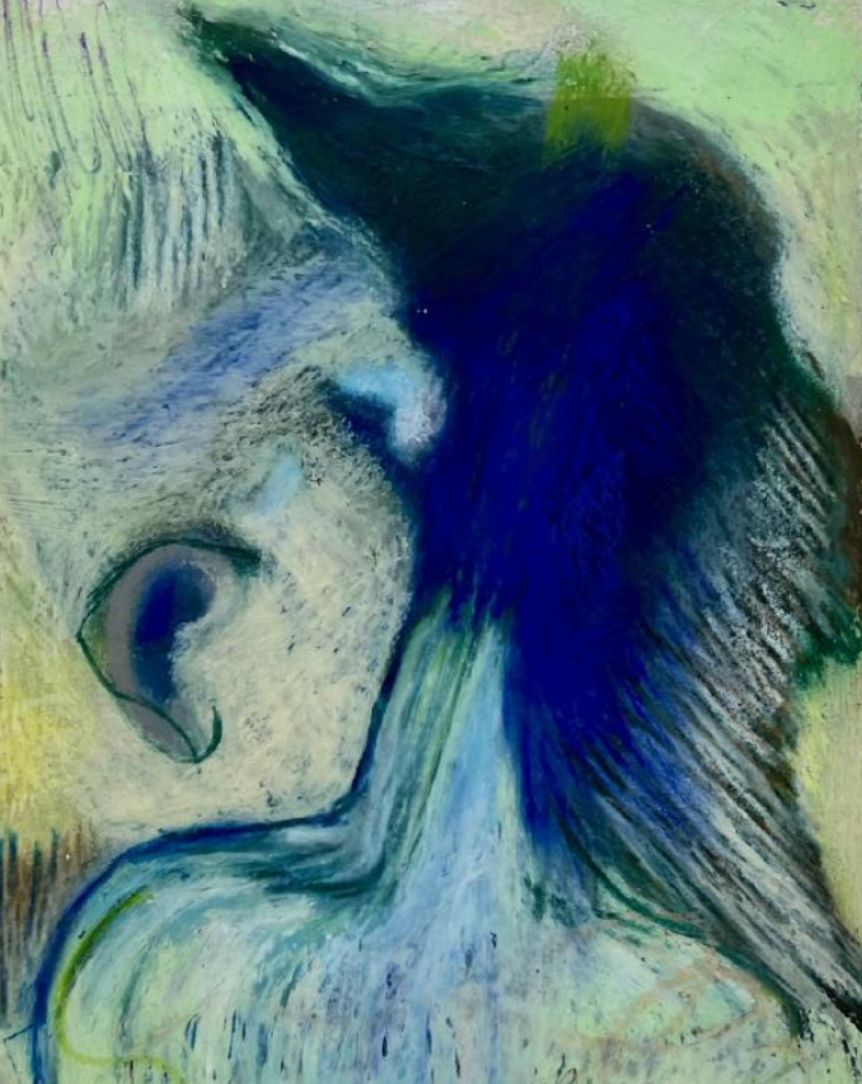
Victor Payares studied painting at the Royal College of Art in London and was a fellow of the Berlin Program for Artists, presenting at the Martin Gropius Bau in 2021. He grew up among Havana’s layered walls and worn facades, and his work builds surfaces the same way, through accumulation and partial erasure. He is also currently showing in Nanning, China, until 18 November.

Untitled, 2025
Oil pastel on recycled paper. 28 × 21 cm. Unique.

Payares draws on paper that has already been used and lets its earlier life show through. In a show about washing things clean, this is a work that refuses to: the history stays visible under every mark.Geraldine Belmont
b. 1977, New York. Lives and works in Basel. Represented by Post-American Fine Arts.

Geraldine Belmont studied at ECAL in Lausanne and early in her career showed at MAMCO Geneva, the MAK Vienna and SculptureCenter New York. For more than a decade she worked on environmental programs in Bahia, Brazil, including a zero-waste program for a coastal town of 20,000. Liam Gillick has written on her work twice. Tokyo is her first presentation in Asia and the start of her representation by Post-American Fine Arts.

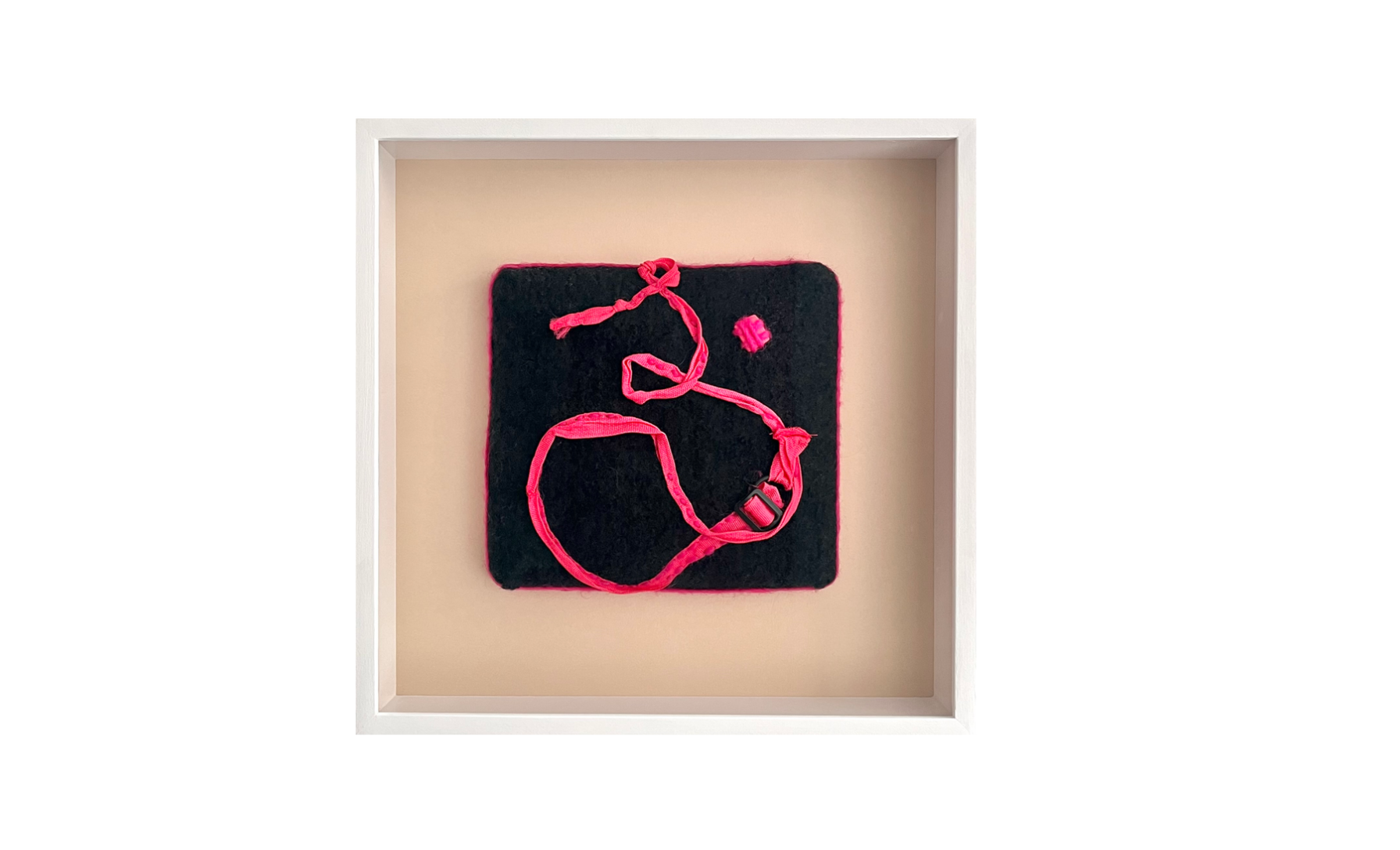
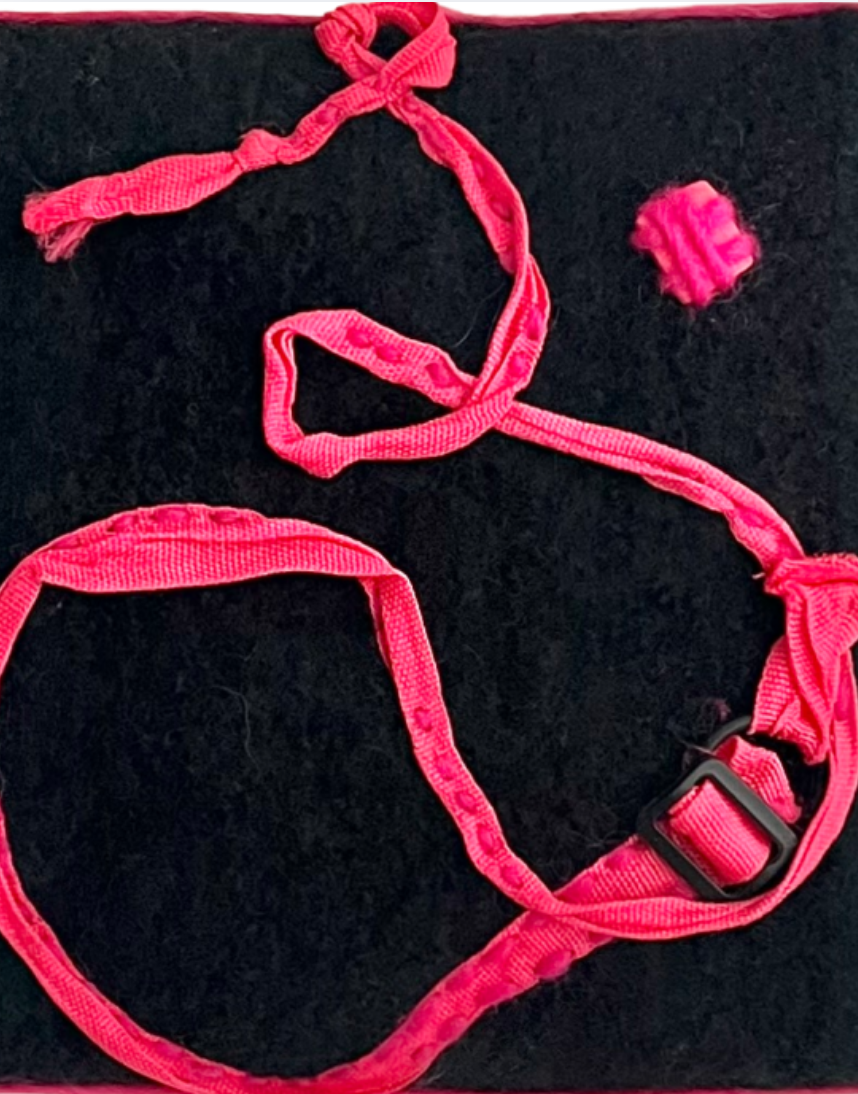
By Seaside Lane, 2024
Plastics and wool on stretchers. Framed, 34.5 × 34.5 × 6 cm. Unique.

Discarded plastic and natural wool share one small surface, and neither wins. Belmont spent years watching what washes up on coastlines. Here, plastic, the material built to last forever and thrown away in seconds, is stitched into something soft and careful. In a room about laundering, it points to a quieter kind: companies that make waste look virtuous.
b. 1988, Sydney. Lives and works in Melbourne.

Ellie Tessa Godworth trained as a gold and silversmith and is completing a PhD at RMIT University. Her recent work comes out of bodybuilding, a world of discipline, display and longing for transformation, which she treats as something close to ritual. She won the 2025 Diana Morgan RMIT Postgraduate Gold and Silversmithing Prize. Tokyo is her first presentation in Asia.

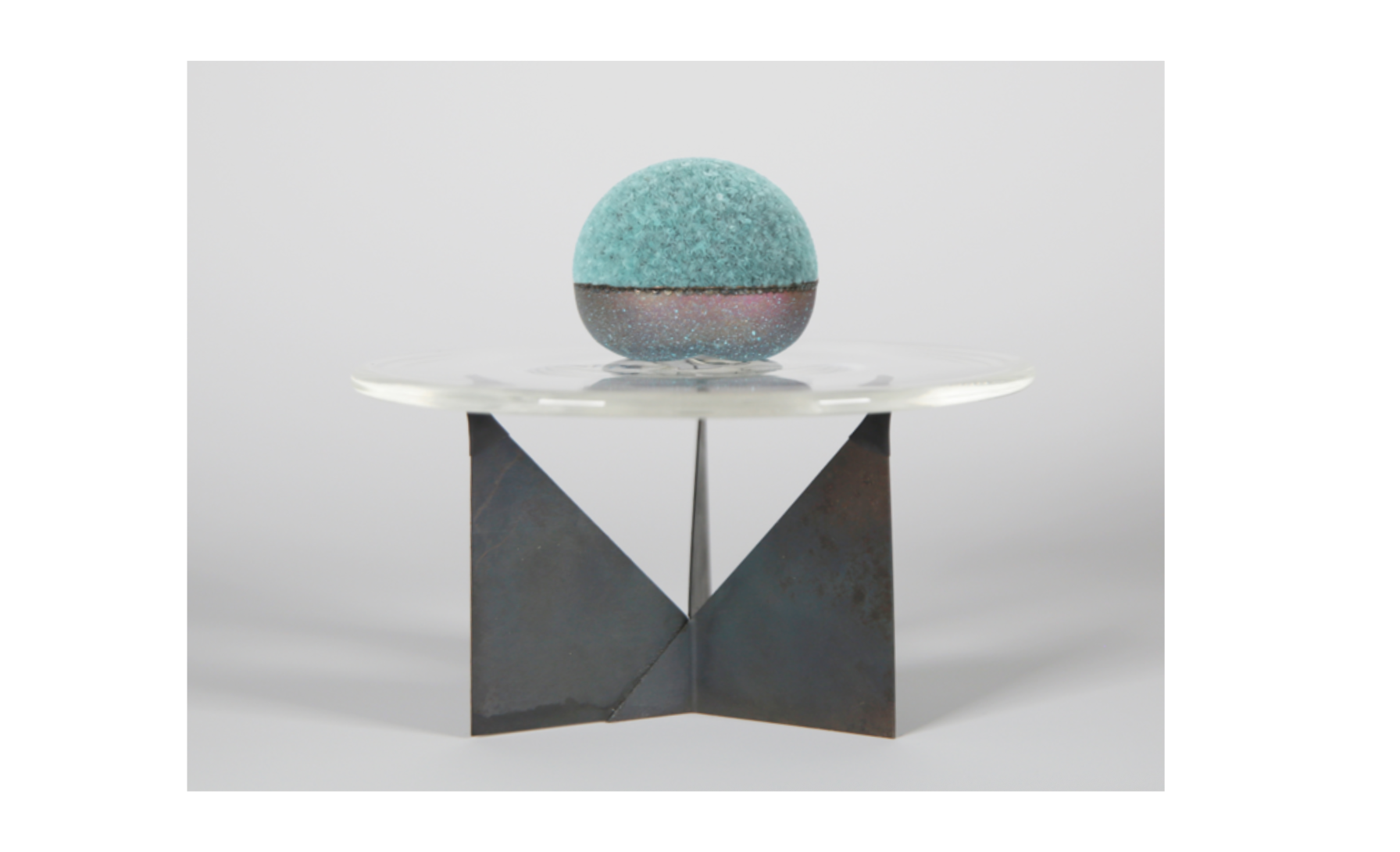
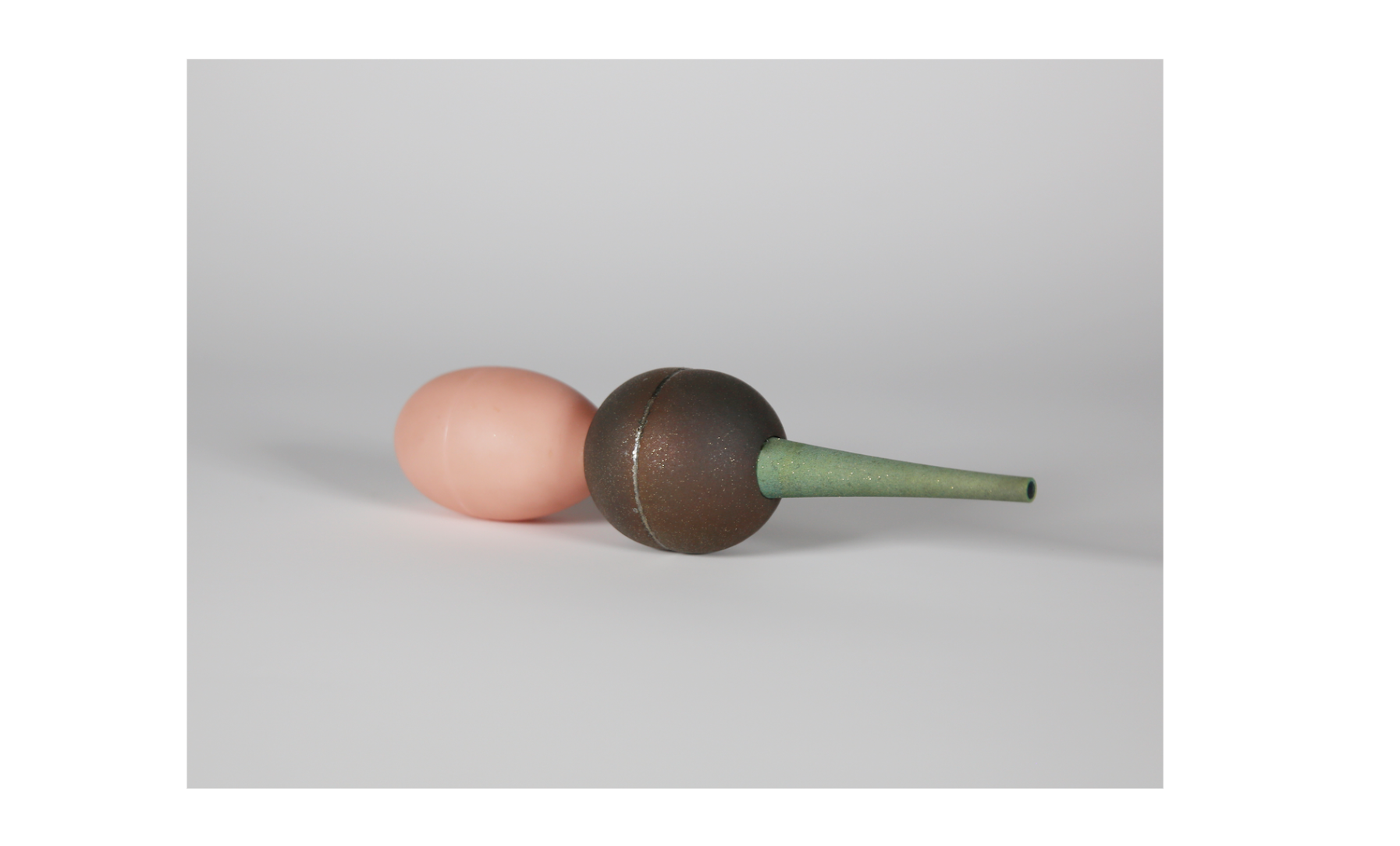
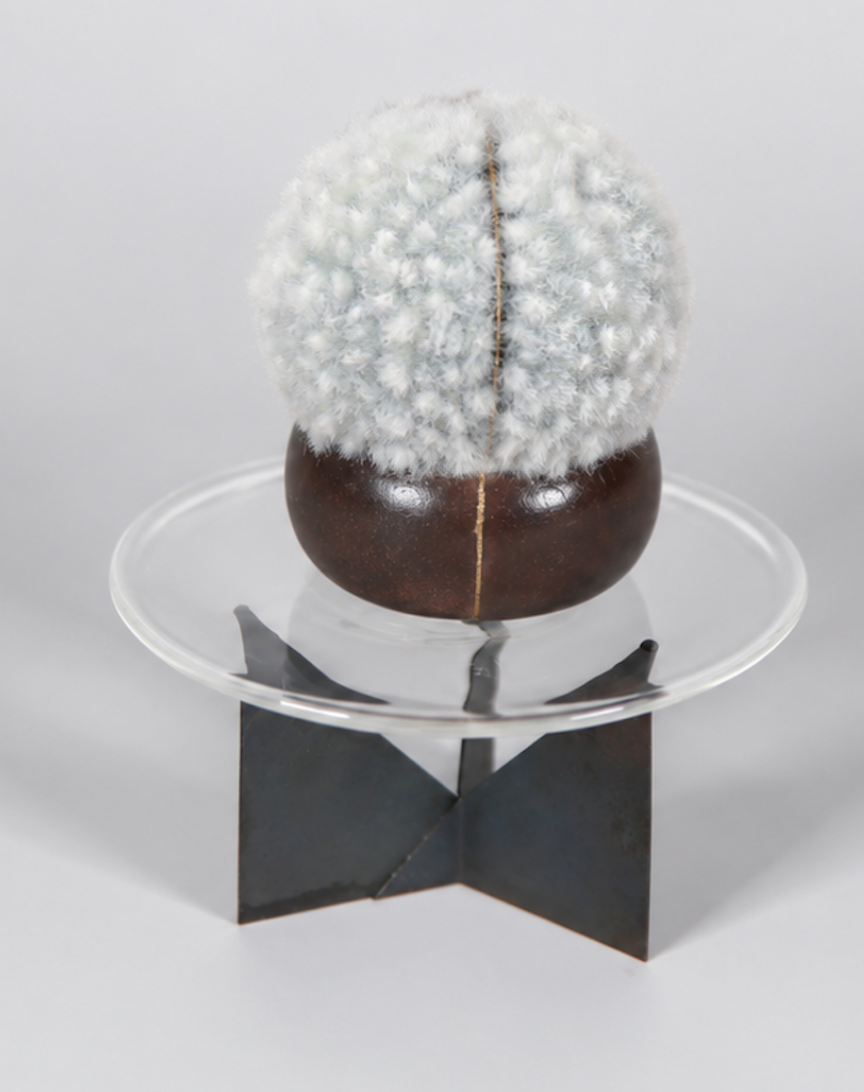
Small objects that suggest the body without showing it: a curve, a grip, a split fruit in silver. They are made with a jeweller’s precision and given names like pets. In the gym they would be equipment for a ritual that doesn’t quite exist. In the shower they become the most private things in the room, objects of care, display and self-improvement, placed where you’d normally wash. Moo is new, made this year and shown here for the first time.
Boo, 2026
Steel, flocking, 18 ct gold wire, spray paint, hand-blown glass, beeswax and rubber. 20 × 13 × 12 cm. Unique.
Ellie Tessa Godworth
Moo, 2026
Steel, flocking, anodised titanium, 18 ct gold wire, spray paint, hand-blown glass, beeswax and rubber. 12 × 13 × 12 cm. Unique.
Ellie Tessa Godworth
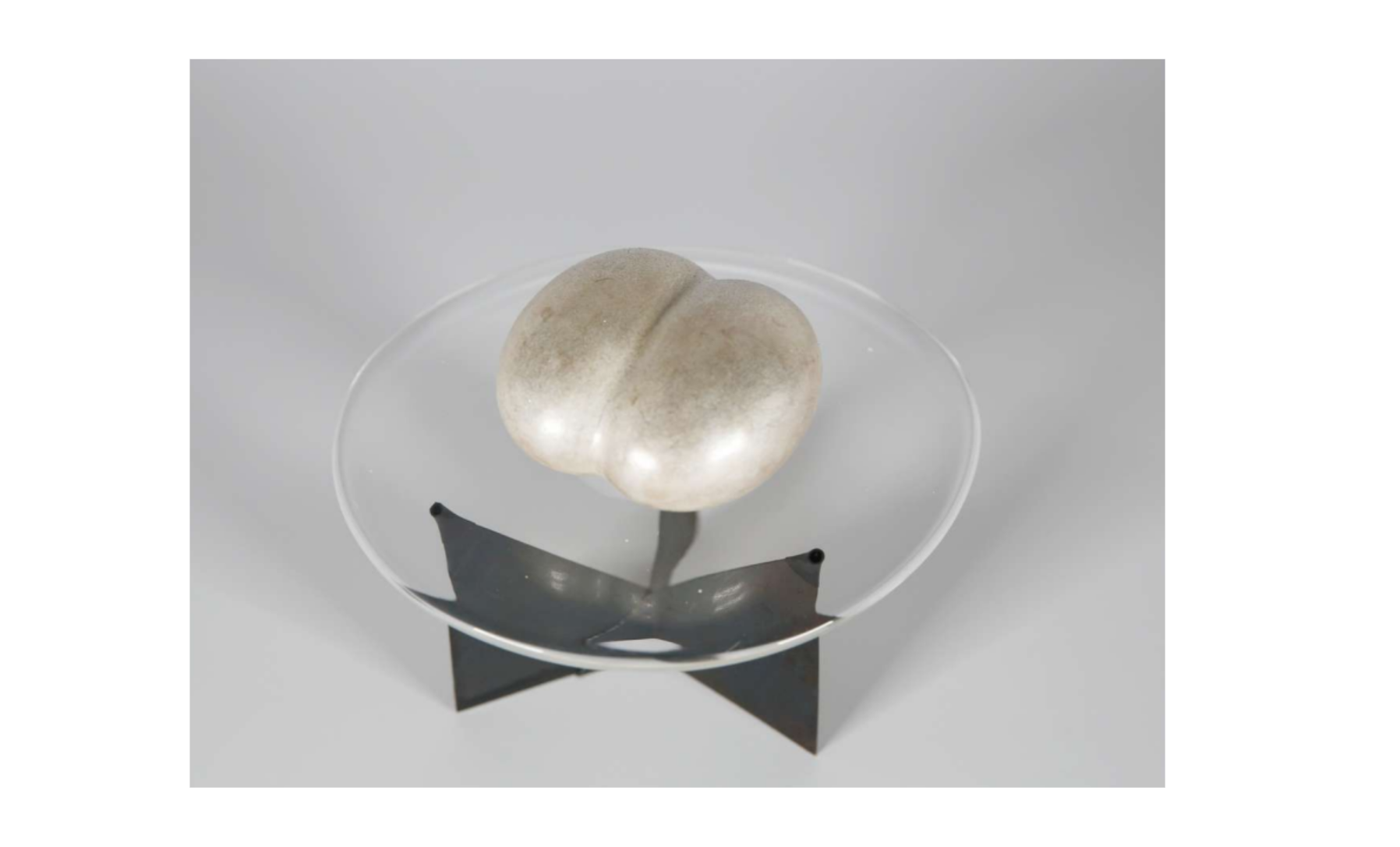
Peach, 2024
Fine silver, spray paint, hand-blown glass, beeswax and rubber. 12 × 13 × 12 cm. Unique.
Ellie Tessa Godworth
SOFT Maneuverer, 2026
Steel, rubber, spray paint, 18 ct gold wire and anodised titanium. 18.5 × 5 × 5 cm. Unique.
Ellie Tessa Godworth
Follow our journey.